Exploring Oral Histories Through Music and Art

Oral histories are a powerful medium for preserving and sharing the stories of individuals and communities. They capture the essence of personal experiences, cultural traditions, and historical events in a way that written records often cannot. When combined with music and art, these narratives take on new dimensions, allowing for deeper emotional connections and broader understanding. This blog post delves into the intersection of oral histories, music, and art, exploring how these forms of expression can illuminate personal and collective stories.
The Importance of Oral Histories
Oral histories serve as a vital tool for documenting the past. They provide insights into the lives of individuals who may not have been represented in traditional historical narratives. By collecting and sharing these stories, we can:
Preserve Cultural Heritage: Oral histories help maintain cultural traditions and practices that may be at risk of fading away.
Foster Understanding: They promote empathy and understanding by allowing listeners to connect with the experiences of others.
Empower Communities: Sharing personal stories can empower marginalized voices, giving them a platform to be heard.
How Music Enhances Oral Histories
Music has a unique ability to evoke emotions and create connections. When paired with oral histories, it can enhance the storytelling experience in several ways:
Emotional Resonance: Music can amplify the emotional weight of a story, making it more impactful. For example, a poignant ballad can underscore the sadness of a personal loss shared in an oral history.
Cultural Context: Different musical styles can provide context to the stories being told. Traditional folk music, for instance, can ground a narrative in its cultural origins, enriching the listener's understanding.
Memorable Experiences: Incorporating music into oral histories can create memorable experiences for audiences. A live performance of a song related to a story can leave a lasting impression.
Case Study: The Role of Music in Documenting History
One notable example of music enhancing oral histories is the work of the Smithsonian Folkways Recordings. This organization has dedicated itself to documenting and preserving the diverse musical traditions of the world. Through their recordings, they not only capture music but also the stories behind the songs.
For instance, the album "American Roots: The Folk Music of the United States" features artists who share their personal narratives alongside their performances. This approach allows listeners to engage with the music on a deeper level, understanding the historical and cultural significance of each piece.
The Intersection of Art and Oral Histories
Art, like music, can serve as a powerful medium for expressing and preserving oral histories. Visual storytelling can bring narratives to life in ways that words alone cannot. Here are some ways art enhances oral histories:
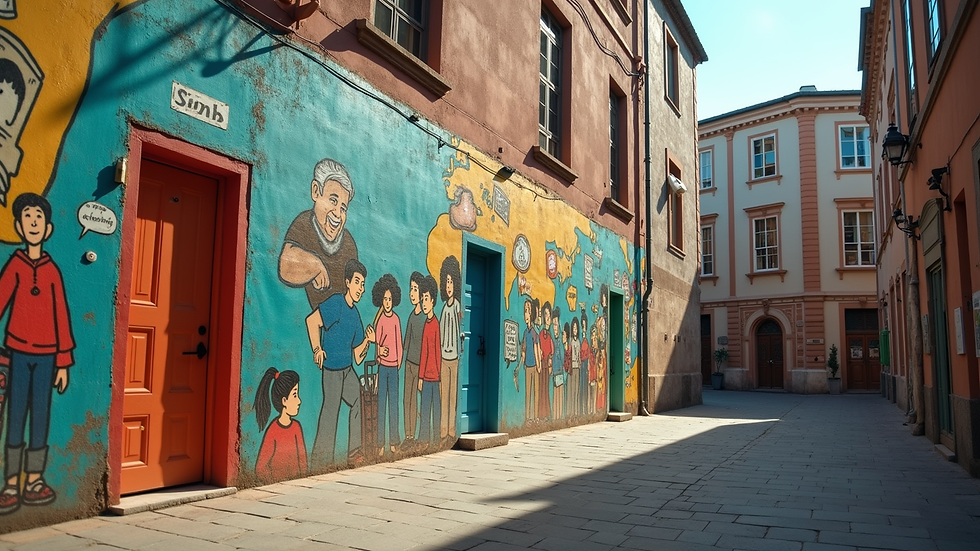
Visual Representation: Art can depict scenes from oral histories, providing a visual context that enriches the narrative. A painting or mural can capture the essence of a story, making it more relatable and engaging.
Community Engagement: Collaborative art projects can involve community members in the storytelling process. For example, community murals can be created based on oral histories collected from local residents, fostering a sense of ownership and pride.
Symbolic Interpretation: Artists can interpret oral histories symbolically, using their medium to convey deeper meanings and emotions. This can lead to new insights and perspectives on the stories being told.
Example: Community Murals and Oral Histories
A powerful example of art intersecting with oral histories is the "StoryCorps" project. This initiative collects and shares personal stories from individuals across the United States. In some cases, artists have collaborated with StoryCorps to create murals that visually represent the narratives collected.
These murals not only beautify public spaces but also serve as a reminder of the diverse stories that make up a community's history. They invite passersby to engage with the narratives and reflect on their own experiences.
The Role of Technology in Sharing Oral Histories
In today's digital age, technology plays a crucial role in the preservation and dissemination of oral histories. Various platforms and tools have emerged to facilitate this process:
Podcasts: Oral histories can be shared through podcasts, allowing for a wider audience reach. This format enables listeners to engage with stories while on the go.
Social Media: Platforms like Instagram and TikTok allow individuals to share short oral histories through video and audio clips, making storytelling accessible to younger audiences.
Digital Archives: Organizations like the Library of Congress have created digital archives to preserve and share oral histories. These resources are invaluable for researchers, educators, and the general public.
Case Study: The Impact of Podcasts
The podcast "The Moth" is a prime example of how oral histories can be shared effectively through technology. This platform features individuals telling their personal stories live on stage, often accompanied by music and sound effects. The result is a captivating storytelling experience that resonates with listeners.
By leveraging technology, "The Moth" has reached millions of listeners, demonstrating the power of oral histories in the digital age.
Conclusion: The Future of Oral Histories in Music and Art
As we continue to explore the intersection of oral histories, music, and art, it becomes clear that these forms of expression are essential for preserving our collective memories. They allow us to connect with one another on a deeper level, fostering understanding and empathy across diverse communities.
Moving forward, it is crucial to support initiatives that promote the sharing of oral histories through music and art. By doing so, we can ensure that the stories of individuals and communities are not only preserved but celebrated for generations to come.
Call to Action
Consider exploring your own community's oral histories. Engage with local artists and musicians to create projects that highlight these narratives. Whether through interviews, performances, or visual art, your efforts can contribute to the rich tapestry of shared experiences that define our humanity.
Comments